The Swapper on PS4: a contemplative puzzle-platform experience
The Swapper, ported to PlayStation 4 by Curve Studios, is an atmospheric puzzle-platformer that places players aboard an isolated research station. The game tasks players with manipulating clones and shifting control to navigate environmental obstacles while uncovering a philosophical narrative. Its presentation pairs a moody soundscape with handcrafted visuals. PlayStation 4 support includes Remote Play and backward compatibility, making the title appropriate for players who favour thoughtful, narrative-led indie experiences over reflex-driven action.
What kind of game is this for puzzle-focused players?
The game blends exploration and cerebral problem solving in a metroidvania layout, guiding the player through interconnected chambers on a derelict station. Progress depends on unlocking and revisiting areas, and the story is framed as investigative discovery rather than linear exposition. Narrative design credit to Tom Jubert reinforces the game's intent to ask philosophical questions as you move through rooms, so the motivating loop is curiosity-driven exploration paired with careful puzzle work.
How do the core mechanics challenge the player?
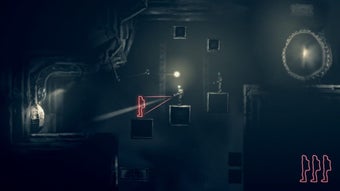
Puzzles rely on precise planning and environmental reading. The central system supports creating multiple duplicates and transferring control between them, which forces players to think in parallel and anticipate line-of-sight constraints. Environmental elements such as gravity shifts and light-based barriers create spatial puzzles that escalate in complexity. The structure rewards experimentation, as solving later rooms demands combining duplicate placement with timing and spatial sequencing.
What does the game look and sound like?
The art and audio build mood that supports the themes. Art assets originate from clay models and physical sets that were scanned into the game, producing an unusual tactile visual tone. The soundscape is sparse and moody, reinforcing isolation and mystery. On PlayStation 4 the interface maps controls to a standard gamepad and the presentation holds up under Remote Play and backward-compatible playback on newer consoles.
Is it hard to get started and does it keep you coming back?
Puzzles increase steadily, so initial sessions feel accessible but later work demands patience. The learning curve grows as rooms introduce compound mechanics, and progression depends on revisiting areas with new capabilities. Replay value comes from mastering tricky sequences and reinterpreting narrative fragments uncovered during exploration. Players who prize deliberate problem solving and thematic depth find reasons to return; those seeking quick, action-driven sessions may find the pace slow.
In summary, the game suits reflective players but asks patience from action seekers
In summary, the game is a meditative choice for players who enjoy deliberate puzzle design and narrative inquiry rather than fast-paced combat. Its measured pace and increasing puzzle complexity reward careful thinking, though that same tempo reduces appeal for players after immediate thrills. For those who prefer idea-driven platforming sessions, the experience offers sustained, thoughtful engagement.